
Should I Use PVC Sleeving or Silicone Sleeving?
Date: 22/09/26
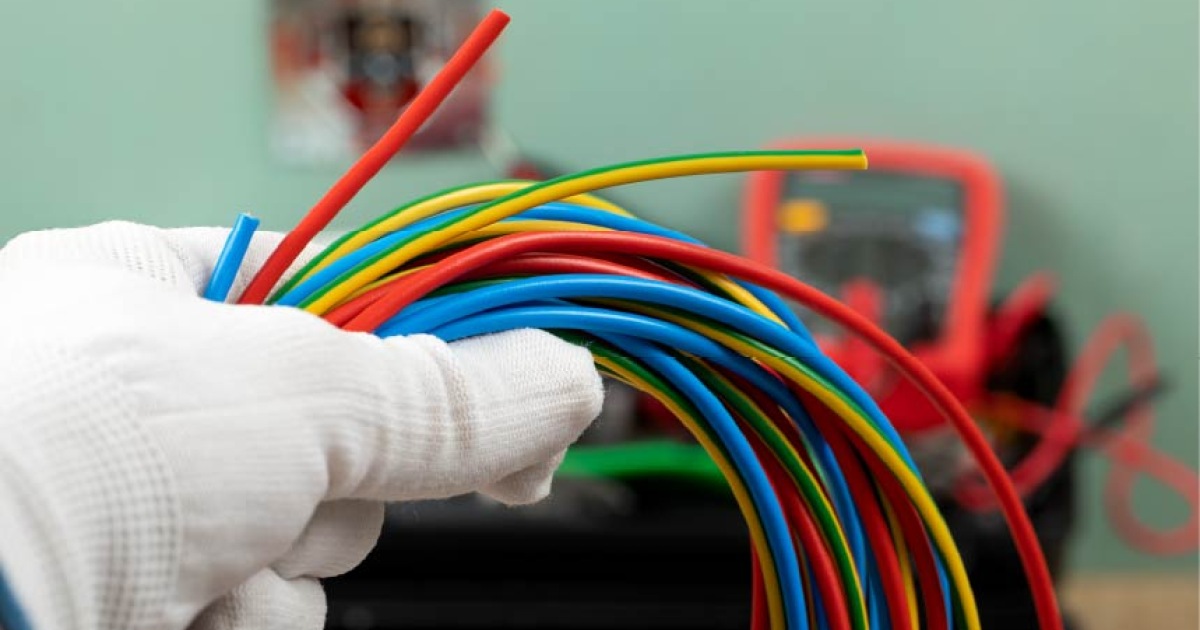
Both PVC and silicone sleeving will deliver protection, moisture resistance, electrical insulation and flexibility across a range of situations. However, while PVC sleeving offers a more cost-effective option, silicone sleeving provides greater protection at high temperatures and greater flexibility at low temperatures.
The choice of PVC or silicone sleeving therefore depends on the environmental conditions of use. In this article, we’ll explain when the savings of cheaper PVC sleeving makes sense, and when it is worth investing a little more in silicone sleeving to get the performance you need.
Sleeve It has decades of experience providing both solutions to UK industries and individuals, and our team will be happy to advise you on the best sleeving solution for you.
PVC Sleeving: Reliable and Cost-Effective
PVC sleeving uses polyvinyl chloride, a synthetic polymer made by combining the oil product ethylene and chlorine from salt. It is a widely used product and is the third most produced polymer in the world.
PVC sleeving is ideal for general protection in most everyday applications and boasts a number of useful properties, including:
-
Electrical insulation
-
Flexibility
-
Abrasion resistance
-
Chemical resistance
-
Moisture resistance
PVC sleeving is used in electrical systems to protect and identify wiring, such as the blue, brown and green striped sleeving used on UK domestic wiring. It is also used to protect cables in server bays and other applications where temperatures do not extend much beyond 100°C.
Silicone Sleeving: High-Heat and Highly Flexible
Silicone sleeving uses silicone, a synthetic polymer rubber-like material made from silicon, oxygen, carbon and hydrogen. It is used for higher temperature applications and is often applied as a coating over a woven inner sleeve.
Like PVC sleeving, silicone sleeving is electrically insulating and resists moisture, abrasion and chemicals. However, it performs better than PVC in two key areas:
-
Thermal resistance – silicone sleeving can withstand constant temperatures of around 200°C and short term exposure to temperatures of up to 250°C
-
Greater flexibility – silicone sleeving is more flexible than PVC, and it remains flexible at extreme low temperatures of up to -60°C
Due to its superior thermal performance, silicone sleeving is used in engine bays and industrial machinery, heating systems, lighting, automotive and aerospace, as well as any other applications where wires and cables need to be protected from high temperatures exceeding 100°C.
PVC vs. Silicone Sleeving: Which is Right for Your Project?
Clearly, there are significant benefits to both types of sleeving, so how do you choose the right sleeving for you? To help you choose the best sleeving, you need to consider the relative importance of the following features:
-
Temperature: for up to 100°C choose PVC sleeving, for hotter choose silicone
-
Flexibility: for general flexibility, choose PVC sleeving, for greater flexibility, especially at low temperatures, choose silicone
-
Durability: for the best durability choose PVC sleeving, or select silicone that has been reinforced with a woven inner layer such as fibreglass.
-
Budget: if cost is key, choose PVC sleeving for general use. The additional cost of silicone sleeving is usually only worth it if you need the enhanced performance for extreme environments.
Trust the Sleeving Experts
As our name suggests, Sleeve It offers a wide range of sleeving to protect all kinds of wiring in all kinds of conditions. From general purpose PVC sleeving and premium grade 105 PVC sleeving, to our famous Firesleeve silicone sleeving with E-glass fibre yarn, we have everything you need, all with next day delivery on orders before 3pm.
Talk to our team today and get the protection you need to match the environment you’re working in.
Frequently Asked Questions
Yes, PVC sleeving provides excellent resistance to moisture and water ingress, making it highly suitable for damp environments, outdoor use and standard weatherproofing applications.
It depends on the proximity of the wiring to the hot engine block. For areas exceeding 100°C, you should opt for silicone sleeving rather than PVC. For standard routing away from extreme heat sources, such as vehicle lighting, PVC will provide enough protection.
Yes it is, however using PVC in high temperature environments is a false economy as failure can be expensive. It is always worth spending a little extra for peace of mind protection.
Yes. PVC sleeving has a high dielectric strength and insulation resistance. It is widely used to both protect and colour code wires in everything from domestic appliances to industrial machinery and complex computing applications.
0 Comment
Add your Comment
We have the ability to edit and/or delete posts and comments. Links should be relevant to the topics. Please note all comments are subject to review before inclusion.
Login to comment
Register to comment
Blog Archives
Sleeve It Blog
Should I Use PVC Sleeving or Silicone Sleeving?
Both PVC and silicone sleeving will deliver protection, moisture resistance, electrical insulation a...
Sleeve It Newsletter
If you would like to receive regular information via email from Sleeve It then please input your contact details below.
Nobody has commented yet. Why not add one?