
3 Common Thermo Firesleeve Mistakes (And How to Avoid Them)
Date: 16/02/26
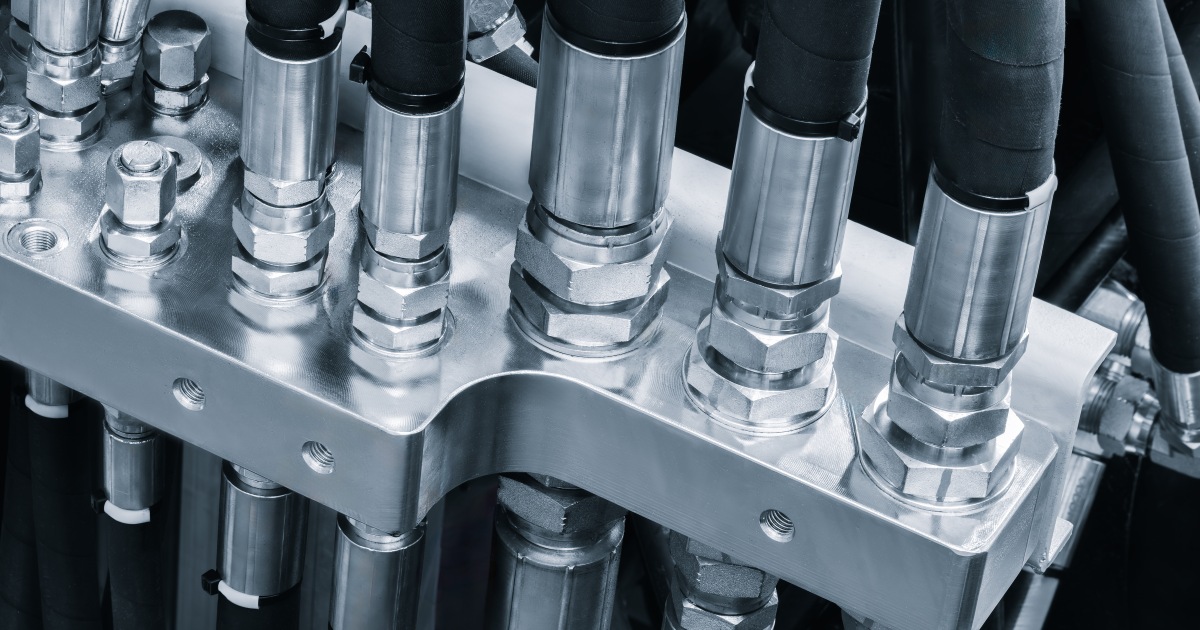
Thermo Firesleeves from Sleeve It are a highly effective protection for cables, hydraulic hoses and pipes. Not only can they look after your equipment at constant operating temperatures up to 260°C, with molten splash resistance up to 1200°C, but they can also deliver protection against abrasion and UV damage. Thermo Firesleeves are also impervious to most oils, hydraulic fluids, acids and alkalis.
However, in order to enjoy the full benefits of thermo Firesleeve, it’s essential to select the right product and to install it correctly. The wrong choice, or even the right product that has been poorly installed, can lead to costly damage to equipment and unnecessary risks to the safety of your operators.
In this article, we’ll take a look at the three most common mistakes when selecting and installing thermo Firesleeves, and the best practice way to avoid equipment damage and injuries.
Mistake No. 1: Incorrect Sizing (Neglecting the Air Gap)
-
The mistake: You may think that the best way to protect your pipes, hoses and cables is to select a thermo Firesleeve that fits snugly. However, this removes one of the important layers of protection. Thermo Firesleeves are made from two layers: an inner layer of woven E-glass fibre and an outer layer of silicone elastomer rubber. These work together to provide a significant level of thermal protection; they are not the only layers that are important. Thermo Firesleeves also use a small air layer, or insulating gap, between the sleeve and the pipe, hose or cables to dissipate heat. Without this air gap, the thermo Firesleeve will not be as effective.
-
The solution: Always specify the internal diameter of thermo Firesleeves to be slightly larger than the external diameter of the pipe, hose, or wiring to be covered. If in doubt, please feel free to contact our technical team for expert advice before placing your order.
Mistake No. 2: Improper End Termination (The "Wicking" Effect)
-
The mistake: Despite the fact that the thermo Firesleeves have been engineered specifically to resist intense heat, we are constantly finding Firesleeve installations where the ends are secured with plastic zip ties that simply melt away. If the ends of a thermo Firesleeve are not properly secured, hydraulic fluids, oils and other substances can wick along the glass fibre threads. This not only reduces their effectiveness but also provides a fuel source, trapped inside what is meant to be a fire protection layer. Less dangerously, but still important, improper end fixings can lead to fraying of the glass fibre layer, compromising its structural integrity and reducing your protection.
-
The solution: The ends of thermo Firesleeves should be properly secured and sealed using steel clamps or other appropriate fixings. This will ensure that they remain watertight and resist degradation. Our experienced engineers will be happy to advise you on the best fixings for the ends of your thermo Firesleeves, including our multi-purpose self-fusing silicone tape.
Mistake No 3: Ignoring Temperature Ratings & Exposure Types
-
The problem: While Sleeve It thermo Firesleeves offer exceptional thermal performance – up to 260°C for constant operations and up to 1200°C for splash resistance, they are not appropriate for all settings and equipment. Using thermo Firesleeve in situations that exceed these limits puts your equipment and its operators at risk and will not deliver the protection you need.
-
The solution: In addition to our high-performance thermo Firesleeve, Sleeve It also offers a wide range of other thermal protection products, designed for different environments. For example, our basalt fibre Thermal Exhaust Sleeve is designed for constant operating temperatures of up to 750°C – far above the limits of our thermo Firesleeve. Our expert team will be happy to discuss your operating environment and recommend the most appropriate product to protect your equipment and your people.
Don’t risk it – Sleeve It
Here at Sleeve It, we want our customers to enjoy the highest levels of thermal protection, whatever their operating environment, whatever their industry. That’s why we are always on hand to offer expert advice to make sure you choose the very best product for you.
You can call us directly on 01254694733, email sales@sleeveit.co.uk or complete our contact form online.
Don’t make costly mistakes with your thermo Firesleeve; make the call and get it right the first time with friendly service from Sleeve It.
Frequently Asked Questions
Yes. Thermo Firesleeve can be fitted to existing pipes, hoses and cables, in situ, without having to disconnect them, thanks to the versatility of Firesleeve Hook and Loop.
Remember to add a little extra to the exterior diameter of the pipe, hose or cables you want to cover, to allow for a small air gap. This will enhance the protection offered by your thermo Firesleeve.
The outer layer of high-grade silicone elastomer rubber melts on contact with direct flame, forming a hard, flame-resistant coating of silicon dioxide on the outside of the sleeve.
Thermo firesleeves must be correctly sealed to prevent fraying and stop wicking of flammable fluids along the inside. This can be done with steel clasps or by using self-fusing silicone tape. Firesleeves must not be sealed using plastic cable grips or zip ties, as these will melt.
0 Comment
Add your Comment
We have the ability to edit and/or delete posts and comments. Links should be relevant to the topics. Please note all comments are subject to review before inclusion.
Login to comment
Register to comment
Blog Archives
Sleeve It Blog
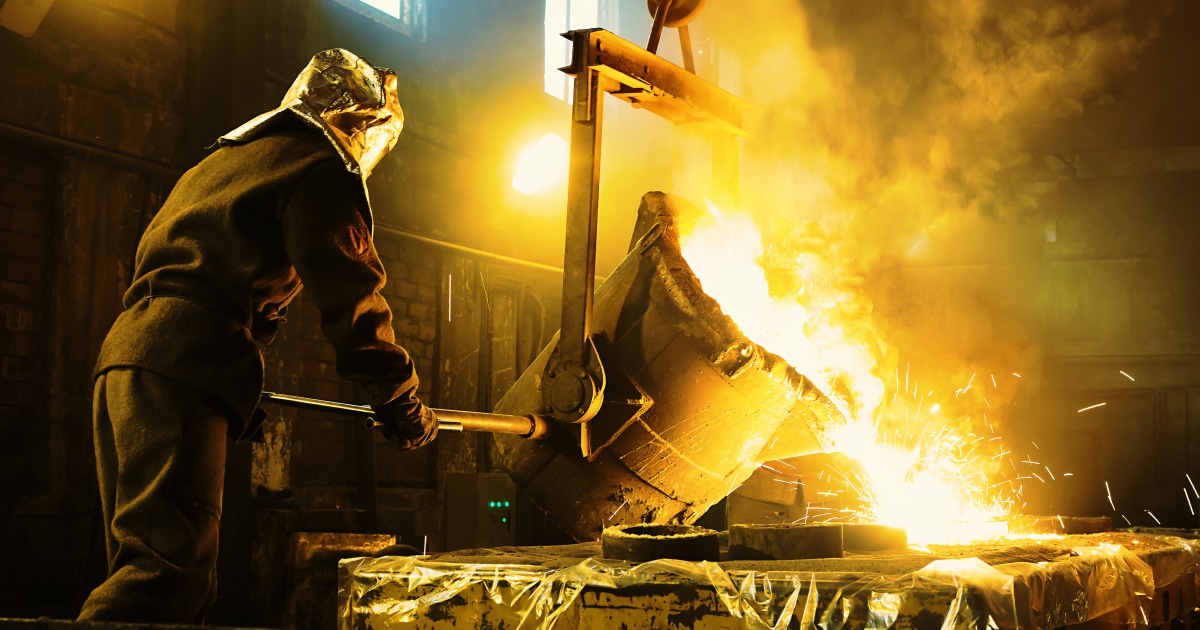
Hose Sleeve Protection Stops Damage from UV, Abrasion & Fire
The hose sleeve protection of thermo Firesleeve from Sleeve It is trusted around the world to delive...
Sleeve It Newsletter
If you would like to receive regular information via email from Sleeve It then please input your contact details below.
Nobody has commented yet. Why not add one?